Research Node 2 - VECTORS
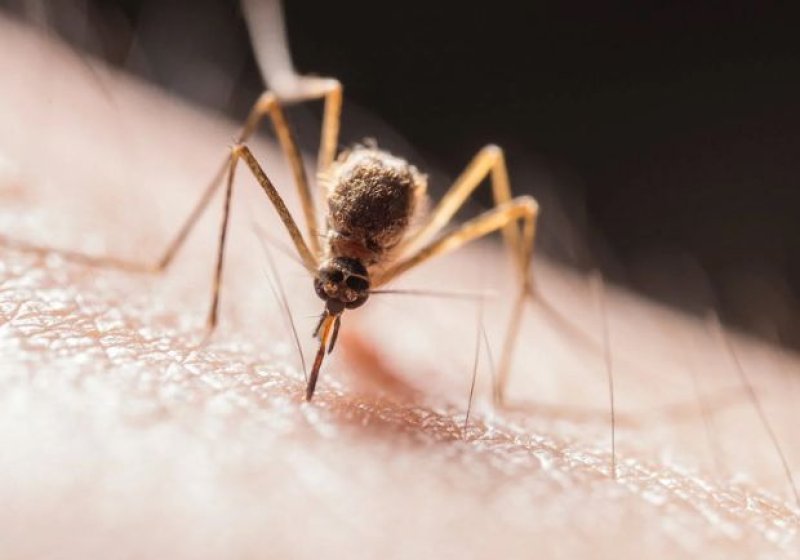
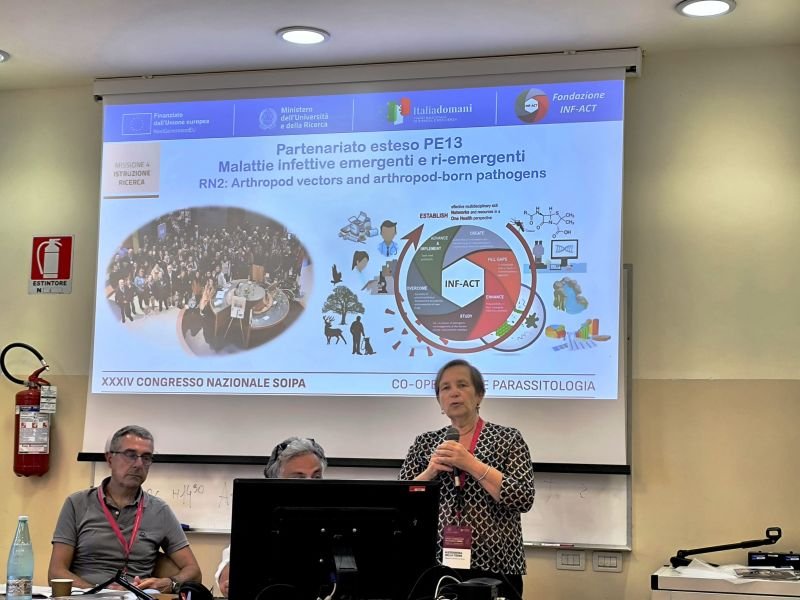
Research node 2 "ARTHROPO VECTORS AND VECOTR-BORNE PATHOGENS" gathers the most renowned experts working on arthropod vectors and vector-borne pathogens (VBPs) in Italy, including academicians and public health personnel from ISS and AIZS, and aims to bridge the gap between these communities to improve research capacity and translationality of research results. The ultimate goal is to improve preparedness to emerging and re-emerging VBDs in the country. We will: clarify still unknown features of vectors and VBPs and of their interaction (WP2.1, WP2.5); develop, validate and implement novel surveillance (WP2.2) and control (WP2.4) approaches customized for the Italian epidemiological situation, as well as novel diagnostic tools and therapeutic targets (WP2.5), contributing to research node 5 activities. These activities are expected to generate new fundamental knowledge and new tools for monitoring, surveillance, diagnosis and fight vectors and vector-borne pathogens (VBPs). Research node 2 will solidate the Italian VBP research network increasing sharing of knowledge, samples, protocols, and guidelines. Through an integrated National Reference Relational Database (NRRD) of arthropod vectors, VBPs and microbiota and a National Vector Repository (NVR) (WP2.3), we will monitor vector presence, distribution and seasonality and centralize these data for exploitation for epidemiological analyses in synergy with research node 4. NVR will increase research potential in Italy and abroad by openly sharing information about characterized vectors samples and their microbiota.
The activities within Research Node 2 are organized into 5 Work Packages (WP)
- WP2.1 - Deepening knowledge on vector’s bionomics and vector-host-pathogen interactions
- WP2.2 - Development and implementation of conventional and innovative approaches for vector and VBD monitoring and surveillance
- WP2.3 - Creating open-source resources to enable country-wide meta-analyses and predictions on vectors and VBPs
- WP2.4 - Development and validation of vector eco-friendly control approaches
- WP2.5 - VBP pathogenesis, diagnostics, therapeutic targets in human hosts
Institutions involved








Researchers involved
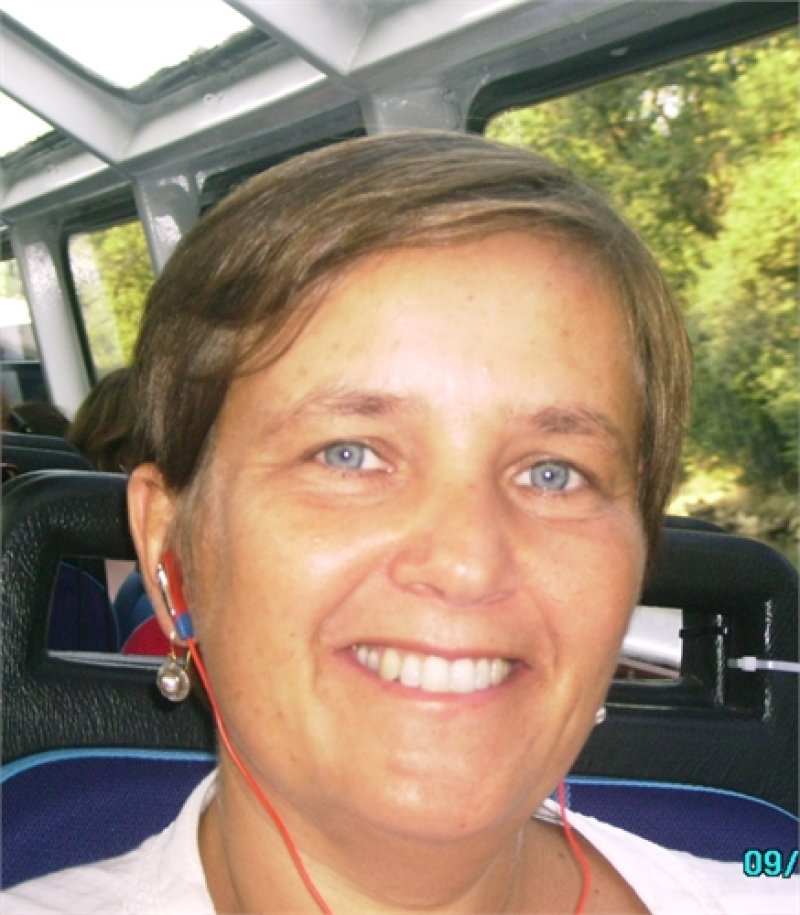
Alessandra Della Torre
Research Node 2 Leader
Università degli Studi di Roma La Sapienza
Alessandra della Torre is Professor of Parasitology in the Department of Public Health and Infectious Disease. She leads the Medical Entomology group which is focused on arthropod vectors of human and zoonotic diseases, with particular reference to Aedes invasive mosquito species vector of exotic arboviruses in Europe and Afro-topical malaria vectors.
The research projects integrate genomic, molecular, cytogenetic, ecological and behavioural approaches to laboratory and field activities, in collaboration with research groups in Europe, USA and Australia - in order to characterize the biology of Aedes albopictus and other Aedes Invasive species in temperate regions - and in Africa, Europe, USA - to better characterize the dynamics of malaria transmission.
The newly acquired knowledge is exploited to optimize mosquito vector’s surveillance and control approaches.
She received support by WHO-TDR, the FP7 and H2020 European funding schemes, National Institute of Health (NIH-USA) and Istituto Pasteur Italia-Fondazione Cenci Bolognetti, coordinated the H2020 Aedes Invasive Mosquito COST Action (AIM-COST) gathering research groups from 37 European countries, and is a member of the Inter-sectorial Task Force on Vector Borne Diseases of the Italian Ministry of Health.
She published 155 papers in peer-reviewed Journals (H-index=49).
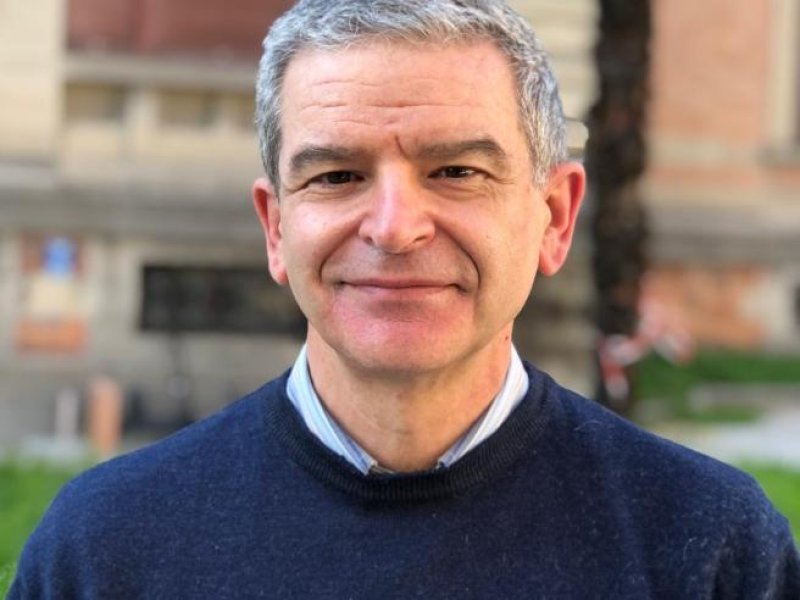
Ignazio Castagliuolo
Research Node 2 Co-Leader
Università degli Studi di Padova
Full Professor of Microbiology and clinical microbiology at Padua University. Graduate in Medicine and surgery and specialist in Internal Medicine. Prof. Castagliuolo spent about seven years at Boston University and Beth Israel Deaconess Medical Center, Harvard Medical School, working on Clostridioedes difficile contributing to the understanding of the pathogenetic mechanisms of this Hospital acquired pathogen. He returned to Italy as Assistant Professor of Microbiology in 1999. Since then he teaches at the School of Medicine University of Padua at medical, pharmacy and nursing undergraduate students. Presently, he is the Director of the graduate School in Microbiology and Virology of Padua University and Chief Editor of "Frontiers in Molecular Medicine, section Molecular Microbes and Diseases". During his academic career, he received numerous funding from national and international research agencies including CCFA of America, MUR, Cariparo, AIRC. His research focuses on host-microbe interaction including the role of microbiota on host health.
Prof. Castagliuolo has published 170 scientific articles in high impact journals including Nat Comm, PNAS, JCI, Gastroenterology, who have accumulated more than 9,200 citations with an H-index of 56.
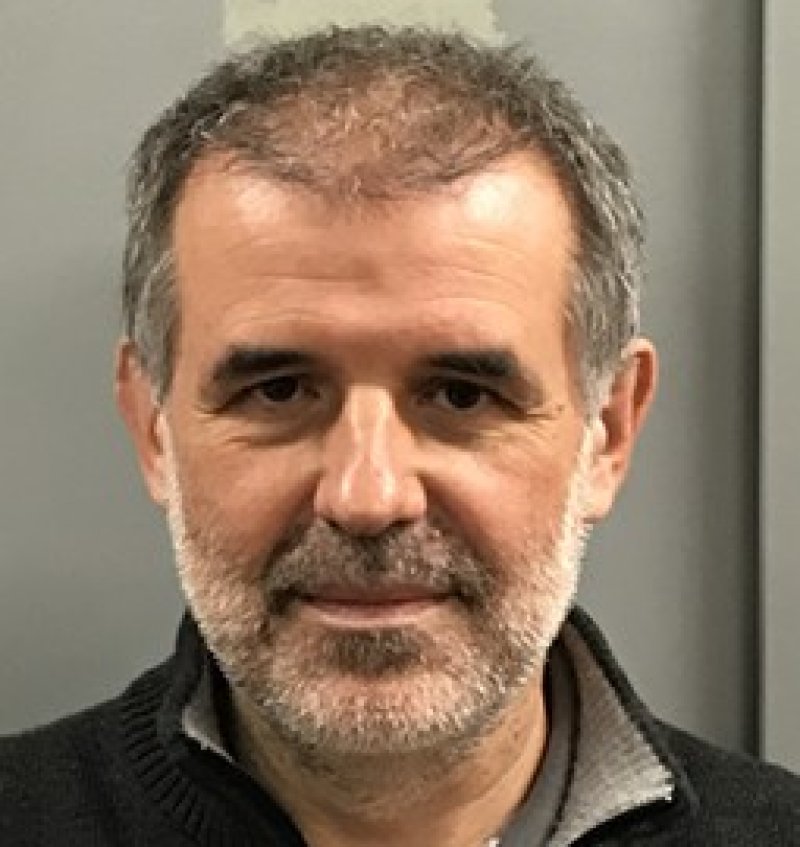
Claudio Bandi
Research Node 2 Co-Leader
Unviersità degli Studi di Milano
Claudio Bandi is full professor of Microbiology at the Department of Biosciences of the University of Milan. His research topics include: symbiotic association and the microbiota of parasites and arthropod vectors; the study of the immune response in parasitic infections; the development of diagnostic methodologies; the study of pathogen genomics and the use of genomics and bioinformatics in evolutionary studies and epidemiological reconstruction. Prof. Bandi’s major achievements include: the discovery of Wolbachia as a symbiont of filarial nematodes (important parasites of humans and animals) and the development of the anti-symbiotic chemotherapy for the cure of filarial diseases; the description of the first intra-mitochondrial symbiont (Midichloria mitochondrii); the establishment of two research groups devoted to the genomics of pathogens (and the related platforms), at the Universities of Milan and Pavia. During his career CB has trained at least three generations of researchers, now active in various universities and research centres in Italy and abroad. In 2022 he has been appointed as a member of the Scientific Technical Committee of the National Anti-Pandemic Centre. Author of over 240 papers in peered-reviewed journals (H-index 60 with > 12.000 quotations in Scopus).
News and events