Early Career Awards
The INF-ACT Early Career Award (ECA) call aims to support the best ideas proposed by early-career researchers within the INF-ACT consortium. This section presents the 15 winning projects of the 2024 ECA.
ESMOPH | Exploring Novel SNVs and viral population dynamics in mpox outbreak: implications for pathogenesis and public health
Awardee: Michela Deiana, IRCCS Sacro Cuore Don Calabria
Since 2022, the spread of mpox in several nations, has raised a relevant concern. Viral evolution may have allowed the co-transmission of multiple variants. To date, numerous Single Nucleotide Variations have been reported, however, it is unclear whether they represent the result of local mutagenesis or possible co-infections. Our previous findings have revealed the coexistence of mutated and wild-type alleles in unrelated patients, albeit with divergent frequencies, supporting the co-infection hypothesis. In this project, my objective is to further explore the co-infection hypothesis, through the in-depth genetic analysis of viral sub-populations in different biological matrices from mpox patient. The current epidemiological situation underscores the importance of mpox as a re-emerging zoonotic threat. Potential co-infection with multiple viral sub-populations could have a major impact.
B19-CAT | Human B19-like parvovirus in domestic cats
Awardee: Georgia Diakoudi, Università degli Studi di Bari
Parvovirus B19 (family Parvoviridae, genus Erythroparvovirus) is the only pathogenic parvovirus in humans causing mild-to-severe symptoms, including infectious erythema, anaemia and foetal hydrops or demise. Recently a novel B19-like parvovirus was identified in a cat with non-regenerative anaemia by our laboratories (unpublished). Following the objectives of INF-ACT, the current project aims to study the presence and gather data on the epidemiology of this emerging virus in the feline population. The objective is to create a complete diagnostic pipeline that will allow to understand the prevalence of the virus, its pathology and plan efficient prevention measures. Understanding the pathology of the virus in the feline population will offer the opportunity to explore possible parallelisms with human parvovirus B19 infection in humans and offer an animal model for the study of erythroparvoviruses.
EMERGENT | Exploring redox-related pathogenic mechanisms underlying respiratory virus infections
Awardee: Marta De Angelis, Università degli Studi di Roma La Sapienza
Understanding the pathogenic mechanisms of respiratory virus infections is crucial for addressing the emergence of novel viral strains. Changes in the intracellular redox state have been identified as a key event in regulating viral replication and inflammatory response, impacting on the severity of infection. Dysfunction of the pulmonary epithelial-endothelial barrier is an event associated with severe cases, however, the underlying mechanisms remain unclear. This proposal aims to define the redox pathways involved in the pathogenic mechanisms during different respiratory virus infections. Particularly, it will be investigated the modulation of the antioxidant factors related to the inflammatory response during viral infections in different respiratory tracts, and their role in the epithelial-endothelial barrier damage. The study will be pursued by using "Air Liquid Interface" monoculture and co-culture cell models that are representative of the in vivo upper and lower respiratory tract. The findings will provide insights into the events underlying severe conditions of respiratory virus infections and pave the way for the development of novel "cell-targeted" therapeutic approaches against viral infections.
LSI | Leishmania vs Sauroleishmania in the mediterranean basin: isolation, molecular characterization and metagenomics of Leishmania spp in Italy
Awardee: Jairo Mendoza Roldan, Università degli Studi di Bari Aldo Moro
Zoonotic canine leishmaniasis (CanL) caused by Leishmania infantum is endemic in southern Europe. In these areas other Leishmania species occur in sympatry, such as Leishmania tarentolae, a non-pathogenic protozoan of reptiles. Recent molecular diagnostics and serological positivity to L. tarentolae in humans and dogs have spurred interest in the interactions between these mammalian hosts, reptiles, and L. infantum. The aim of this project is to confirm the circulation of L. infantum and L. tarentolae in non-permissive hosts and to isolate new strains of these protists. After, strains will be molecularly characterized through whole genome sequencing to identify new strains and/or hybrids. Results from this study will allow to depict the changing epidemiology of Leishmania in Italy, as well as to evaluate the possible usefulness of L. tarentolae for new vaccination strategies.
ClimaVec | Impact of global climate change on vectors and emerging arboviruses
Awardee: Ayda Khorramnejad, Università degli Studi di Pavia
How arboviral vectors respond in the face of rapid anthropogenic climate warming is a key open question of ecological and public health concern because mosquitoes are ectotherms and temperature impacts nearly all aspects of their life cycle. Climate warming is expected to cause large shifts in mosquito distributions and dynamics, thus resulting in the expansion of the transmission risk, also to temperate regions of the world. However, how temperature influences mosquito interaction with viruses remains largely unknown. In this proposal, I will address this knowledge gap by studying if and how the interaction of the Asian tiger mosquito, Aedes albopictus, the main arboviral vector in Europe, with viruses changes when mosquitoes are exposed to a hot thermal regime, mimicking Italian summer. I will address this question using the arbovirus Semliki Forest Virus (SFV) and the insect-restricted Cell Fusing Agent Virus (CFAV). CFAV was proposed as a novel control agent based on its ability to restrict arbovirus infection in mosquitoes. I designed three independent, but inter-related aims to answer the following detailed questions: does short vs long-term exposure to a hot thermal regime alters how mosquitoes respond to SFV and CFAV infections? Can CFAV restrict SFV infection in thermally challenged Ae. albopictus? Acquiring this knowledge is essential to derive climate-refined predictions of arboviral risks and develop CFAV-based control strategies.
LION | Exploring the interactions between the mammalian host and Leishmania parasites at the mucosal level: insights from organoid models
Awardee: Ilaria Varotto Boccazzi, Università degli Studi di Milano
Leishmaniases are neglected vector-borne diseases caused by Leishmania parasites and transmitted to the host by the bite of sandflies. With this project I intend to answer to the following questions: i) could this parasite be transmitted to the mammalian host through the oral route? ii) can this microorganism be exploited as an antigen vehicle, in oral vaccination? To address these questions, it is crucial to investigate the interaction/internalisation of Leishmania within the intestinal epithelium and the stimulation of immune response at the mucosal level. Gut organoids will be exploited to study the host-parasite interaction instead of animal models, using Leishmania tarentolae as a model parasite. The obtained results could clarify the possible oral/mucosal transmission route of Leishmania and the dynamics of its internalisation/localisation.In prospect, a better knowledge of the interaction of Leishmania parasites with the intestinal epithelium and immune system will possibly permit to develop novel tools to modulate the immune response toward these parasites, that still impact the life of millions of people around the world.
PRE-STA-MD-AI | Predicting Statistics of Molecular Descriptors by Employing AI
Awardee: Stefan Milenkovic, Università degli Studi di Cagliari
In this project, our primary objective is to develop a machine-learning model designed to predict the statistical parameters of small-molecule molecular descriptors. Traditionally, these parameters are obtained by running molecular dynamics (MD) simulations of solvated molecules and then explicitly extracting the statistics of molecules. However, with a model capable of predicting these parameters, we can bypass the need for MD simulations. This advancement will facilitate virtual screening of huge databases for searching molecules with favorable accumulation/permeability characteristics, leveraging existing machine learning models where molecular statistics are pivotal. Consequently, this approach will significantly reduce computational time, shrinking the processing time from several hours per molecule to under a second. Moreover, it will contribute to environmental preservation by lowering energy consumption.
FOS | Molecular characterization of fosfomycin resistance emerging Enterobacterales strains
Awardee: Vittoria Mattioni Marchetti, Università degli Studi di Pavia
Fosfomycin (FOS) regained clinical interest against multi-drug resistant bacteria, but it is affected by the global increasing of resistance. Since FOS resistant Enterobacterales epidemiology in Italy is scarce, the project will be focused on i) epidemiological typing of clinical FOS resistant Enterobacterales, ii) characterization of fosA genes, iii) investigation of mutations in FOS transporters/regulators, and iv) implementing an alternative methodology in FOS resistance profiles? detection. During the one-year project, FOS resistant Enterobacterales strains will be collected from different Northern Italy Hospitals, subjected to long-reads sequencing and analyzed on molecular level for the presence of fosA-like genes and mutations in FOS intake proteins. The built collection will be evaluated using a novel agar-based test. The project aims to analyze and prevent the diffusion of FOS resistance feature and to elucidate the epidemiology of FOS resistant Enterobacterales in Italy, contributing in specific guidelines for prevention, control and managing.
PROMISING | PROMotIng StewardshIp iN General practice
Awardee: Costanza Vicentini, Università degli Studi di Torino
Promoting the prudent use of antibiotics, in order to preserve their effectiveness and safeguard patient safety, is one of the main objectives of the Italian National action plan to contrast AMR (PNCAR). Antibiotic stewardship (AMS) interventions aim to promote the responsible use of antimicrobials, balancing the individual need for appropriate treatment and the long-term societal need to maintain access to effective treatments. The majority of AMS interventions mainly focus on acute-care hospitals. However, a significant proportion of all antibiotic use is prescribed in the outpatient setting.The project’s objective is to develop an AMS intervention aimed at enhancing prescribing skills of general practitioners (GPs). The impact of the AMS intervention will be evaluated through a pilot study. GPs will be invited to participate in an AMS educational program, further, a number will be randomly assigned to receive enhanced guidance from acute-care hospital AMS experts, provided via a web-based telemedicine platform. The service will ensure the delivery of the most appropriate treatment based on epidemiological, microbiological, and clinical data. In line with the INF-ACT holistic approach from basic to clinical research, the project aims to explore innovative strategies for health services delivery. In particular, the project complements the objectives of the INF-ACT Research Node 3, by assessing the clinical relevance of personalized medicine outside the acute-care setting. The project will strengthen relationships between health professionals operating at hospital and outpatient levels, allowing to optimize and share patient management.
PAMIR | Preclinical in vitro Airway Models for studying Infectious Risk in chronic respiratory diseases
Awardee: Serena Di Vincenzo, Consiglio Nazionale delle Ricerche
Patients with chronic respiratory diseases experience recurrent infections caused by bacteria, viruses or atypical bacteria. This increases the frequency of disease exacerbations which leads to a faster progression of the disease to more severe forms. Cigarette smoke is a major risk factor for chronic respiratory disease and increases susceptibility to infections inducing structural changes and alterations in the immune defences. Current therapies are not very effective in the prevention or treatment of exacerbations, and it is important to find new therapeutic strategies that can reduce the risk of infections in these patients. The present study aims to evaluate whether the use of nutraceutical drugs (apigenin, resveratrol, curcumin and probiotics), in addition to traditional therapy, can respond to this need. A complex in vitro experimental model consisting of a bronchial pseudostratified epithelium, fibroblasts and macrophages will be used for the study. This in vitro model will be exposed to cigarette smoke and infection-simulating molecules. It will be evaluated the effects of these insults on: oxidative stress, the loss of epithelial integrity, the activation of inflammatory mechanisms, the phagocytosis activity and cytokine release of macrophages. The in vitro model exposed to these insults will be treated with the selected drugs and the ability to restore tissue homeostasis will be evaluated. This would reduce respiratory infections in subjects most at risk and prevent the frequent exacerbations of the disease
BREATH | Development of antimicroBial platfoRms basEd on natural biomAterials for acuTe and cHronic lung diseases
Awardee: Francesca Della Sala, Consiglio Nazionale delle Ricerche
Bacterial infections, including the ones originated from Pseudomonas aeruginosa, Streptococcus pneumonia and Staphylococcus aureus, represent a significant challenge in the field of respiratory diseases. Indeed, these are responsible for severe exacerbations in chronic obstructive pulmonary diseases (COPD) and acute respiratory distress syndrome (ARDS), dramatically accelerating the deterioration of lung function. Nowadays, persistent infections are treated with high doses of antibiotics, causing side effects and increasing the growing problem of multidrug-resistance by microorganisms. In this context, BREATH project aims to develop an antimicrobial platform, based on natural biomaterials, such as Hyaluronic acid (HA) and chitosan, forming nanogel (NG) incorporated with antimicrobial agents, such as Folic Acid-Carbon Dots (FA-CDs). This antimicrobial platform will synergistically combine the HA and chitosan intrinsic bacteriostatic and bactericidal properties with the antimicrobial activity of FA-CDs, enhancing their release. FA-CDs will be synthetized using a simple and rapid one-step microwave-assisted system, optimizing reaction parameters (i.e. temperature and pH) to control their structural properties and consequently their functional antimicrobial features. The HA/chitosan NGs will be produced using the ionic gelation method. In order to design the best candidate to incorporate FA-CDs, able to reach lung site avoiding alveolar clearance, polymers’ molecular weights and concentrations will be optimized to control NGs size and stability. To validate such systems physical-chemical characterization and biological response on lung cells along with evaluation of antimicrobial activities will be performed. Such platforms, exploiting the tunable structural properties of biomaterials, can provide new strategies to fight bacteria in pulmonary infections, evading their natural defense mechanisms.
TARGET-UTR | Targeting the 3’-UTR of West Nile Virus: a Novel Peptide-Based Antiviral Strategy
Awardee: Riccardo Rigo, Università degli Studi di Padova
West Nile virus (WNV), a mosquito-borne virus from the Flaviviridae family, can cause severe neuroinflammatory symptoms, particularly in immunocompromised and elderly individuals. Recent outbreaks in Africa, North America, and Europe have highlighted WNV as a significant public health threat. Despite the urgent need for treatments, no vaccines or specific antiviral drugs are available. This project aims to develop new pharmaceutical strategies targeting the WNV genome to disrupt its replication and reduce its virulence. We focus on a unique RNA structure in the 3’-UTR of the WNV genome, crucial for viral replication and immune evasion. By utilizing phage display technology, we aim to identify peptide ligands that specifically bind and stabilize this RNA domain, potentially impairing viral enzyme activity. This approach could lead to broad-spectrum anti-flavivirus treatments and advance nucleic acid-targeting strategies.
PHAGOMED | PHAGe therapy cOmbined with CutiMED Sorbact for the treatment of infected skin ulcers: an epidemiological and in vitro study
Awardee: Matteo Passerini, Università degli Studi di Milano
Infected cutaneous ulcers present a significant clinical challenge, often exacerbated by poor tissue penetration of antibiotics and the development of bacterial resistance. This project aims to address this challenge through two parallel experimental studies. Firstly, consecutive bacterial samples from patients with infected ulcers will be collected to select and assess phages capable of in vitro killing isolated bacteria. Secondly, the in vitro antimicrobial activity of phages combined with Cutimed Sorbact dressing will be evaluated. This interdisciplinary approach integrates microbiology, wound care, and phage therapy to develop a novel treatment strategy, by addressing the objective of the INF-ACT research program. Successful outcomes of this study could pave the way for a subsequent clinical application of phage therapy by providing important data on efficacy and the optimal dressing to combine with it.
Institutions involved



Researchers involved
Michela Deiana
Early Career Awardee
IRCCS Ospedale Sacro Cuore Don Calabria
Throughout my career, I have developed and applied new methods to understand cell biology and disease mechanisms. During my PhD, I gained expertise in in vitro cultures, microscopy, molecular biology, and bioinformatics, using multi-omics approaches to study cell interactions and pathophysiology, with a particular focus on rare genetic diseases. After completing my PhD, I continued my research at the University of Verona, further deepening my knowledge in cellular and genomic biology. In 2020, I joined the Department of Infectious and Tropical Diseases and Microbiology (DITM) at IRCCS Sacro Cuore Don Calabria Hospital as a researcher. Here, I apply my expertise in genomics and cellular biology to study viral and parasitic infections. I am currently involved in several research projects aimed at characterizing host-pathogen interactions and studying the evolution of various infectious diseases.

Georgia Diakoudi
Early Career Awardee
Università degli Studi di Bari Aldo Moro
Georgia Diakoudi was born in Athens, Greece. She was has a bachelor and a Master’s degree from the Agricultural University of Athens (Greece) and a PhD in Animal Health and Zoonosis (2020) from the University of Bari (Italy). Since 2020, she is a researcher in the Department of Veterinary Medicine of the University of Bari (Italy). Her main research interests include virology, molecular diagnostics and virus discovery. Her research focuses mainly on animal viruses, development and optimization of diagnostic protocols and next-generation sequencing techniques
Marta De Angelis
Early Career Awardee
Università degli Studi di Roma La Sapienza
Marta De Angelis is a virology researcher at the Department of Molecular Medicine of Sapienza University of Rome. She holds a Bachelor’s degree in Biological Sciences and a Master’s degree in Genetic and Molecular Biology. Since her PhD in Life Sciences, the main research interest has been in the field of virus-host interactions, particularly investigating the pathogenic mechanisms underlying respiratory virus infections. Her studies focus on the identification of intracellular factors that are modulated during viral infections, which in turn activate redox-sensitive pathways involved in the regulation of inflammatory response and viral replication; the aim of her research activity is to develop new "cell-targeted" antiviral approaches. The INF-ACT Early Career Award represents a great opportunity for my professional development and to pursue my research activity with enthusiasm.

Jairo Mendoza Roldan
Early Career Awardee
Università degli Studi di Bari Aldo Moro
Colombian veterinarian from the University of La Salle, Bogotá, Colombia (2013), with a Master's in Science (MSc, 2015) and a first PhD (2019) in Experimental Epidemiology applied to zoonoses from the University of São Paulo, Brazil, and a second PhD (2023) in Animal Health and Zoonoses at the University of Bari "Aldo Moro", where he is currently assistant professor in parasitology (RTDb). He is a resident of the European Veterinary Parasitology College (EVPC). His research activities have long been focused on herpetological medicine, with emphasis on the epidemiology of infectious and parasitic diseases of zoonotic concern. In recent years, he has studied Leishmania species of reptiles (Leishmania tarentolae) and mammals, in areas endemic for Leishmania infantum in the Mediterranean basin. He is the author and co-author of 89 articles published in international journals with high impact factor. He is the editor of the manual of Parasitology and Parasitic Diseases of Animals (Taylor, 2022. EDRA Edition). She is associate editor of Parasites and Vectors for the Tick and Tick-Borne diseases section and of The International Journal for Parasitology: Parasites and Wildlife, and Guest Academic Editor of PLOS Neglected Tropical Diseases.
Ayda Khorramnejad
Early Career Awardee
Università degli Studi di Pavia
My research focuses on insects of agricultural and medical importance and uses a system-approach ranging from physiological, fitness and molecular methods. In 2017, I joined the University of Valencia as an International PhD student through a competitive fellowship from the Ministry of Science and Research of Iran. During my PhD program, I isolated and characterized over 100 Bacillus thuringiensis (Bt) isolates, identifying a highly potent strain, which is now being developed by Green Biotechnology Company Inc. into a commercial bio-insecticide. After my PhD, I was offered a postdoc position at the University of Valencia and later advanced to a research associate role, investigating the molecular mechanisms of Bt protein action. In 2021, I joined the University of Pavia as a postdoctoral researcher and was promoted to a junior researcher position (RTD-A) within the PNRR PE13-RN2 project in 2023. My research at the University of Pavia focuses on the physiological and genetic mechanisms underlying thermal acclimation and adaptation in the arboviral vector Aedes albopictus. I am also studying the effects of Bt exposure on the fitness, microbiota and the immunity of Ae. albopictus. Throughout my career, my research has consistently aimed at developing environmentally sustainable biological control strategies for both pests and vectors.
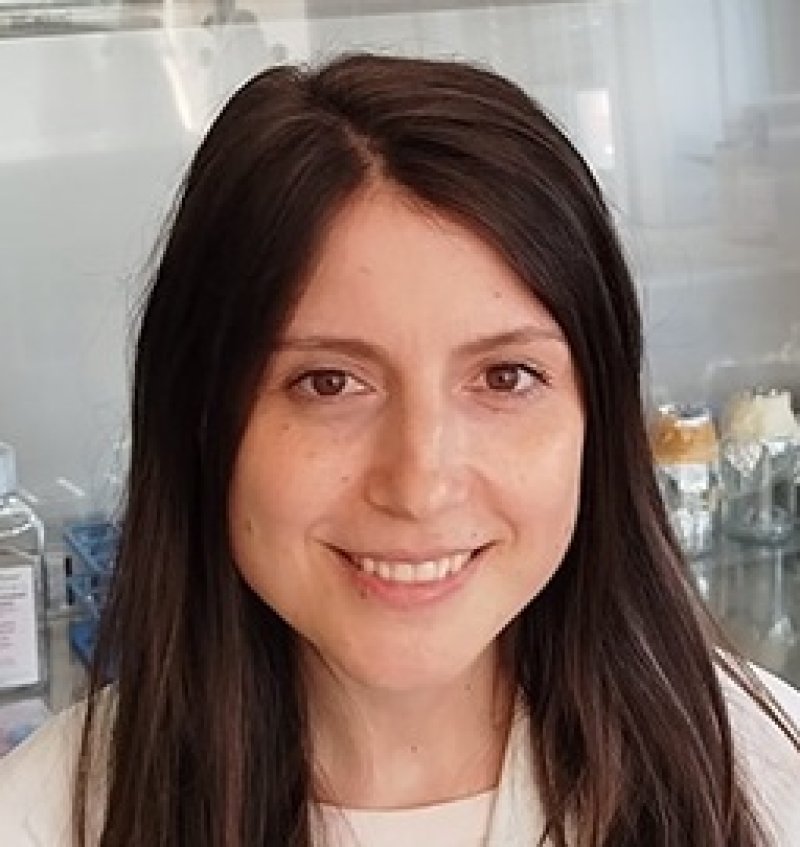
Ilaria Varotto Boccazzi
Early Career Awardee
Università degli Studi di Milano
Ilaria Varotto Boccazzi is a researcher in Parasitology at the Department of Biosciences of the University of Milan. After the master degree in Biology, she began working on vector-borne diseases, obtaining a PhD from the University of Milan. Her research is focused on the study of the immune response in parasitic infections caused mainly by protozoa belonging to the genus Leishmania, investigating the mechanisms of host-parasite interaction, also with the goal of developing novel tools for the diagnosis of vector-borne infections

Stefan Milenkovic
Early Career Awardee
Università degli Studi di Cagliari
Stefan Milenkovic is a Serbian physics that completed his undergraduate studies in Belgrade, Serbia after which he pursued a PhD in Computational Biophysics at the Free University of Berlin, Germany. In 2016 he moved to Cagliari, Italy where he started working on transport problems in biophysics. Since 2023 he has been an assistant professor at the University of Cagliari, Physics Department. Currently, he is developing machine learning models that integrate statistics of MD simulations to accurately predict microbiological properties such as accumulation, permeation, and activity in Gram-negative bacteria.

Vittoria Mattioni Marchetti
Early Career Awardee
Università degli Studi di Pavia
I obtained the master degree in Biomedical Biology at University of Pavia in 2016 and in the same year I was admitted in the Ph.D program in Genetics, Molecular and Cellular Biology at University of Pavia. Shortly after the Ph.D graduation, I worked for three years as Researcher the Biomedical Centre and the Charles University in Plzen (The Czech Republic), improving skills in third generation sequencing on antimicrobial resistance area. Since 2023 I’ve worked as researcher rtdA at University of Pavia.

Costanza Vicentini
Early Career Awardee
Università degli Studi di Torino
Costanza Vicentini is a MD specialized in Hygiene and Preventive medicine, currently employed as Research fellow at the Department of Public Health and Pediatrics of the University of Turin. Her main field of research is infectious disease epidemiology, in particular concerning healthcare associated infections and antimicrobial resistance. She has dedicated a considerable part of her scientific activity to the development and implementation of epidemiological surveillance networks at regional, national and international levels. A second important focus of her research is the development of effective interventions for the prevention and control of healthcare associated infections, particularly with respect to emerging pathogens, and the identification of effective implementation strategies.

Giacomo Pietro Vigezzi
Early Career Awardee
Università degli Studi di Pavia
Medical Doctor (2018) specialised in Hygiene and Preventive Medicine (2022), he currently works as a researcher at the Hygiene Unit of the Department of Public Health, Experimental and Forensic Medicine at the University of Pavia. He has been involved in several nationally and internationally funded projects (CCM, Fondazione Cariplo, FISR, AXA Research Fund, DG Welfare Regione Lombardia, Horizon2020, NextGenerationEU, PRIN, Planetary Health Alliance), focusing on healthy ageing, life course epidemiology, and infectious diseases prevention and control.

Letizia Santinelli
Early Career Awardee
Università degli Studi di Roma La Sapienza
Letizia Santinelli is a Post doctoral Research Fellow (RTDA) at the Department of Public Health and Infectious Diseases at Sapienza, University of Rome, with a project focused on the identification of clinical and surrogate biomarkers and evaluation of immunological response during emerging and re-emerging infections. Her research activities are dedicated on the evaluation of immunological and virological aspects of several infectious diseases (HRV, SARSCoV-2, HIV-1 and HPV), and on the analysis of several serological markers of inflammation and immune activation characterizing viral pathogenesis, to identify predictive markers of disease severity; moreover, she developed an excellent expertise on the evaluation of cellular immune responses, as well as in the characterization of microbiota profile in different anatomical compartments. She participates as a speaker at several national and international conferences to contribute to the knowledge of viral acute and chronic infections, and to improve the expertise in the field of Infectious diseases. She received several awards for the results obtained in the field of Infectious Diseases as a young investigator. Moreover, she established collaborative relationships with the world's leading experts in the field of immunology, in order to provide input into research concerning the management of viral infections.

Serena Di Vincenzo
Early Career Awardee
Consiglio Nazionale delle Ricerche
She obtained both Bachelor's degree in Biological Sciences and Master's degree in Health Biology at the University of Palermo. She started working in the field of research on chronic respiratory diseases already for her degree theses. She focused on the same research topic also during her PhD in Applied Experimental Medical Sciences and Biotechnologies with a focus on Experimental and Clinical Pulmonology, a title obtained in 2016. She expanded her skills abroad, during her PhD thanks to a fellowship from the University of Palermo she began working with primary bronchial epithelial cells at the Department of Pathology and Medical Biology and Pulmonology, University Medical Centre of Groningen (UMCG) in the Netherlands and then, in 2018, she won a European Respiratory Society (ERS) Short-Term Research Fellowship that led her to work at the Pulmonology Department of the Leiden University Medical Center in the Netherlands. Post-doc researcher at the CNR since 2016, she has followed and conducted several research projects with the aim of studying the mechanisms of damage to the airway epithelium triggered by cigarette smoke in chronic respiratory diseases, looking in particular at the inflammatory and oxidative stress mechanisms and the activation of the innate and adaptive immune system.

Francesca Della Sala
Early Career Awardee
Consiglio Nazionale delle Ricerche
Francesca Della Sala is fixed-term researcher at the Institute of Composite Polymers and Biomaterials (IPCB) of the National Research Council (CNR). After graduating with a Master's degree in Medical, Veterinary and Pharmaceutical Biotechnology at the University of Naples Federico II, she obtained a Ph.D. in Bimolecular Sciences at the University of Campania Luigi Vanvitelli. Her training and research path took place at the University of Naples and Campania, the Interdepartmental Research Center on Biomaterials of the IIT Foundation, the IPCB-CNR and at the McGill University in Montreal. Her research activities focus on the development of polymeric biomaterials and the formulation of micro/nanoparticle systems for regenerative and oncological medicine and the controlled release of active, therapeutic and antibacterial principles, and their relative chemical-physical and biological characterization. Through a biomimetic approach, she studies natural biomaterials such as hyaluronic acid and collagen to develop thermosensitive injectable hydrogels for tissue regeneration, in particular for lung tissue, viscosupplementation, soft tissue augmentation, wound healing, nanocomposite hydrogels, and substrates with intrinsic antimicrobial capacity. She also works on the design of particulate systems for the targeted delivery of drugs or active and therapeutic principles.

Riccardo Rigo
Early Career Awardee
Università degli Studi di Padova
Riccardo Rigo was born in Verona in 1990. After obtaining his PhD in Molecular Sciences - Pharmaceutical Sciences curriculum from the University of Padova (2019), he pursued postdoctoral research at the Centre de Recherche en Cancérologie de Marseille (France) and the Central European Institute of Technology - CEITEC (Czech Republic), where he was awarded an MSCA-Individual Fellowship. Following these experiences, he returned to Italy and is currently a researcher (RTD-A) at the Department of Pharmaceutical and Pharmacological Sciences at the University of Padova. His primary research focuses on exploring nucleic acids and nucleic acid-interacting proteins as potential pharmaceutical targets. He is currently engaged in developing new pharmaceutical strategies to target the West Nile virus genome as part of the INF-ACT program.
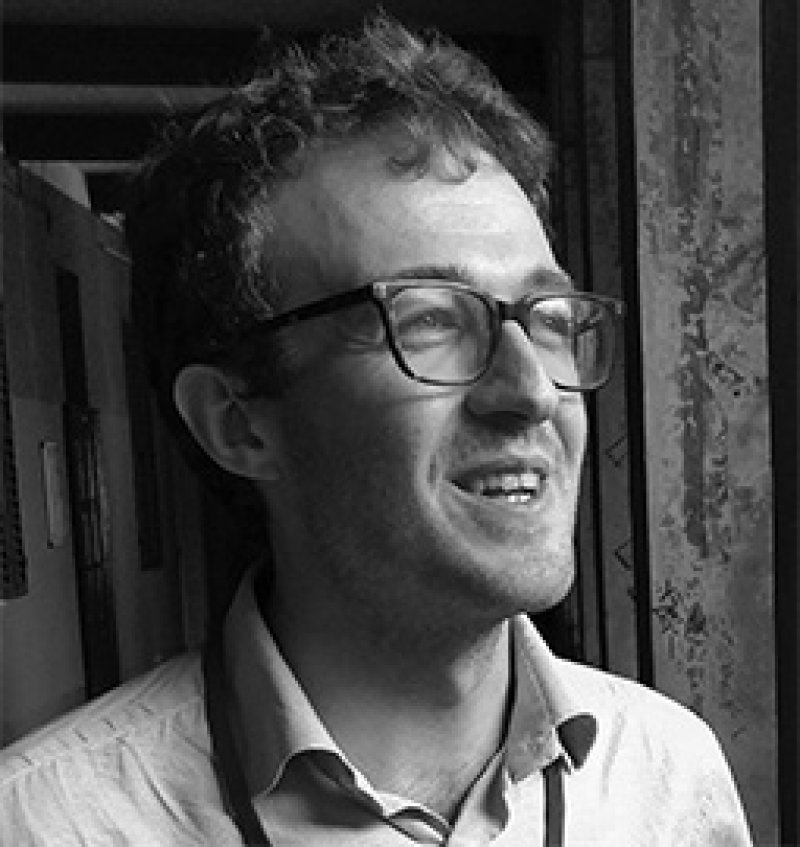
Matteo Passerini
Early Career Awardee
Università degli Studi di Milano
I am a young medical doctor specializing in Infectious Diseases, with contributions especially to Phage Therapy and Septic Orthopedics. At the Mayo Clinic, I played a key role in pioneering phage therapy clinical trials, tackling regulatory challenges, and promoting knowledge dissemination through online platforms and clinical rounds. I also led the Italian section of Phagistry, an international research database. In Septic Orthopedics, I collaborated with institutions like Ospedale Sacco and the Mayo Clinic, advancing research on Native Vertebral Osteomyelitis (NVO) by improving diagnostic imaging, refining treatment protocols, and contributing to scientific publications. Furthermore, this scientific commitment is also reflected in practical work, as I serve as an infectious disease consultant for major orthopedic centers and am part of the osteo-infectiology team at Ospedale Sacco. I am passionate about education and have organized Journal Clubs, taught students, and presented at international congresses.
News and events