PLASMARE
Platforms for a Monitoring and Analysis Research Ecosystem
Budget: € 9,126,700
Current challenges in the field of health highlight close interconnections between biological, environmental, and digital factors. The increasing complexity of health and environmental risks—exacerbated by climate change, the circulation of zoonotic pathogens, and the fragility of agri-food supply chains—calls for a shift towards prevention and response models based on predictive tools and integrated digital solutions. The One Health approach, supported by international organizations such as WHO, FAO, WOAH, and the EU, is based on the combined collection and joint analysis of information from the health, veterinary, environmental, and socioeconomic domains. Implementing the One Health approach requires a significant shift in the strategic vision of health research stakeholders, integrating data and information from a multitude of sources and measurement methodologies. Similarly, the instrumental approaches required for data collection within a One Health framework often require substantial investments to foster the development of multidisciplinary and shared enabling technologies. This is further complemented by the development of innovative therapeutic strategies, which is closely linked to the availability of cutting-edge instrumentation and robust databases for the validation of drug targets. In this context, significant disparities in technological and digital capabilities can be observed in some areas of Southern Italy, where infrastructure networks are often valuable but fragmented and difficult to access, making it challenging to collect, integrate, and fully exploit the available data.
The PLASMARE project (PLAtformS of Monitoring and Analysis Research Ecosystem) promotes the creation of a national infrastructure for the enhancement, dissemination, and adoption of advanced digital solutions to support public health, based on interoperable, accessible, and replicable technological environments. The objective is to establish a distributed ecosystem of tools and services that facilitate the sharing, harmonization, and protection of health, genomic, environmental, and epidemiological data, fostering the use of intelligent technologies for prevention, decision support, and territorial response.
The PLASMARE project is structured into 4 Work Packages (WPs):
- WP1 – Unified Foundation for the Sustainability, Strategy, Organization, Leadership, and Attractiveness of MARE (BUSSOLA) is conceived as a set of strategic actions for coordinating and promoting the MARE Ecosystem, aimed at ensuring the full achievement of the objectives and targets of PLASMARE.
- WP2 – Advanced Platforms and Environments for Digital One Health (DIGITAL) aims to develop an advanced infrastructure framework to enhance platforms and testing environments capable of addressing the challenges of modern digital medicine, with a focus on cybersecurity, data management, harmonization, and integration, in compliance with One Health principles.
- WP3 – Technological Platforms for Parasitological Monitoring, Control, and Screening (MONITOR) aims to strengthen the adoption of advanced infrastructures for rapid screening and health prevention, with a focus on parasitology and in synergy with DOMARE at high-mobility nodes such as ports and airports. The objective is to enhance the capacity to respond to complex epidemiological scenarios by integrating innovative solutions within a One Health framework.
- WP4 – Integrated Technological Platforms for Drug Discovery and Testing (DISCOVER) aims to create a modular and flexible platform for drug discovery and testing. Access to the infrastructure of the DISCOVER value chain will be coordinated within the MARE ecosystem through scientific collaborations, integrated services, or high-value-added technological services, in order to accelerate the development of new therapies.
Implemented with the contribution of the European Union under the National Research, Innovation and Competitiveness Programme for the Green and Digital Transition 2021–2027 (PN RIC 21–27), Call for Proposals DD 307 of 18 March 2025, Action 1.1.3b – Support for the validation and networking of forms of aggregation that foster cross-fertilisation among actors within the research system.
Researchers involved
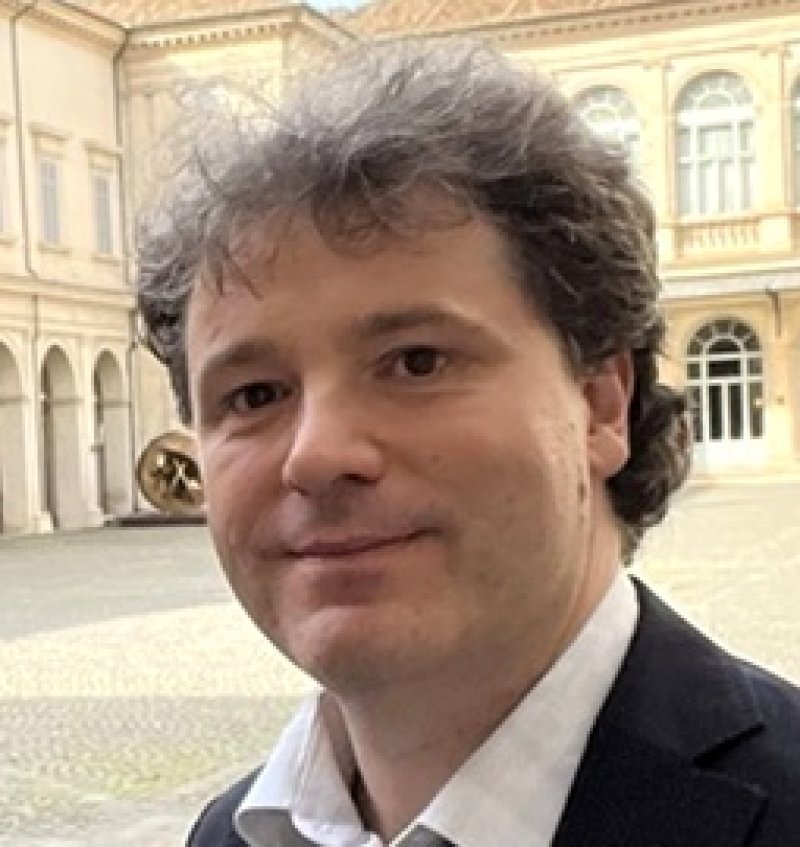
Federico Forneris
Coordinatore
Fondazione INF-ACT
Graduated in Physical Chemistry at the University of Turin in 2002, he got his PhD in 2007 in Basic and Applied Bio-Molecular Sciences (University of Pavia and IUSS), and continued as postdoc at the University of Pavia for one more year. Between 2009 and 2013 he worked as postdoc in structural biology in the Bijvoet Centre for Biomolecular Research, Utrecht University (The Netherlands), then he started his independent scientific research lab at the University of Pavia, Dept. Biology and Biotechnology, in 2014, thanks to the Giovanni Armenise-Harvard Foundation Career Development Award and the "Rita Levi-Montalcini" program for young researchers from MUR. Since August 2023, he is Full Professor of Molecular Biology at the University of Pavia. In 10 years since the start of his first appointment as Principal Investigator, he made important contributions to science testified by high-profile international publications, and secured funding for research through several competitive research grants from various national and international funding agencies. His research activity focuses on the characterization of extracellular macromolecular systems using biochemistry, biophysics and structural biology.
Since 2022 he serves as President of the INF-ACT Foundation.
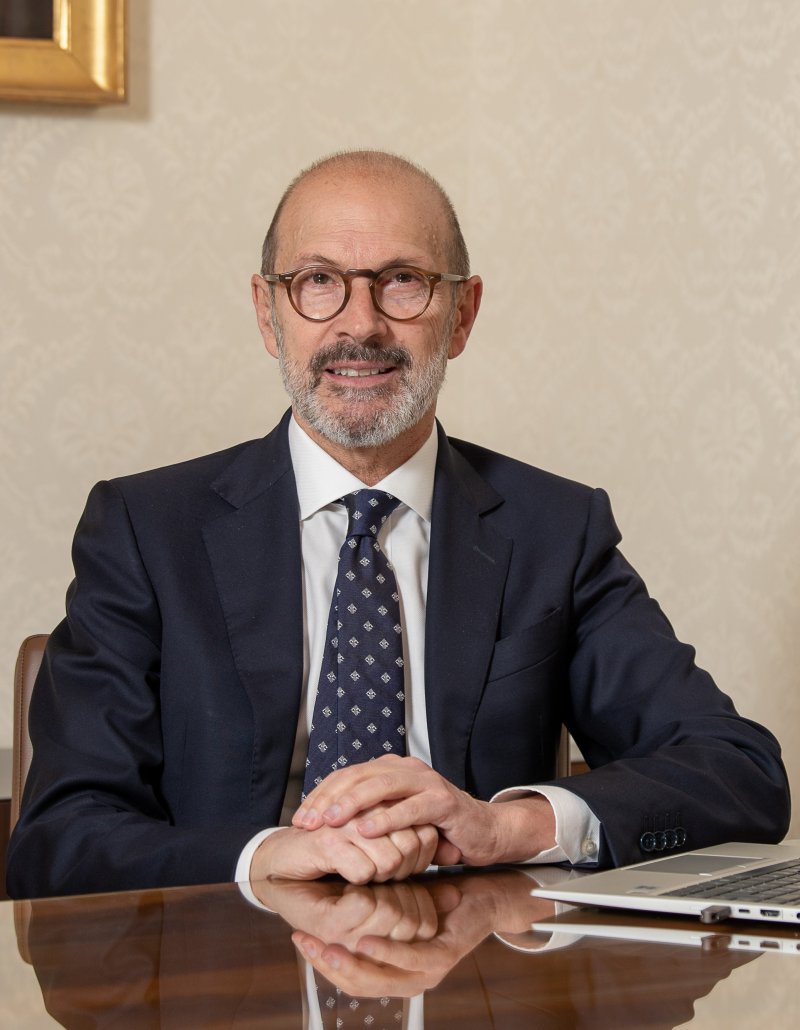
Gianni Fenu
Co-coordinatore
eINS SCARL
Full Professor of Computer Science at the Department of Mathematics and Computer Science at the University of Cagliari. Author of more than 200 papers in peer review international journals, international conferences and book chapters. Vice-Rector of University of Cagliari (10/04/2021 – present). Vice-Coordinator of National PhD on Teaching and Learning Sciences (08/08/2023 – present). President of SIREM (Italian Society of Research in Media Education) (02/04/2025 – present). Member of Board of Ecosystem of Innovation for Next Generation Sardinia, Project funded under the NRR_PLAN (PNRR) - MISSION 4 COMPONENT 2, INVESTMENT 1.5 (15/06/2023 – present). Vice-Rector for ICT of University of Cagliari (12/09/2022 – present). Member of CINECA Council (30/06/2021 – present). Director of Unitelsardegna Consortium (30/09/2012 - present). President of Faculty of Science of University of Cagliari (01/10/2019 – 09/04/2021). President of Scientific Committee and Member of The Board of Directors of Digital Innovation Hub (Sardinia) (30/06/2017 - present). Director of E-Learning for Didactic Innovation Center (30/04/2018 – 20/12/2025). Rector’s Delegate for Information and Communication Technologies (01/09/2016 – 02/04/2021). Rector’s Delegate of GARR and Delegate for Sardinia (Italian Academic Network) (01/10/1992 – present. Member of Guide Share Europe Board (14/03/2014 – 31/12/2018). Vice-President of Association of Engineers Foundation (Sardinia) (20/07/2014 – present). Director of Masters: “Tecnologias Para La Comunicacion”, Bioinformatics and Web and Mobile Application and Iot.
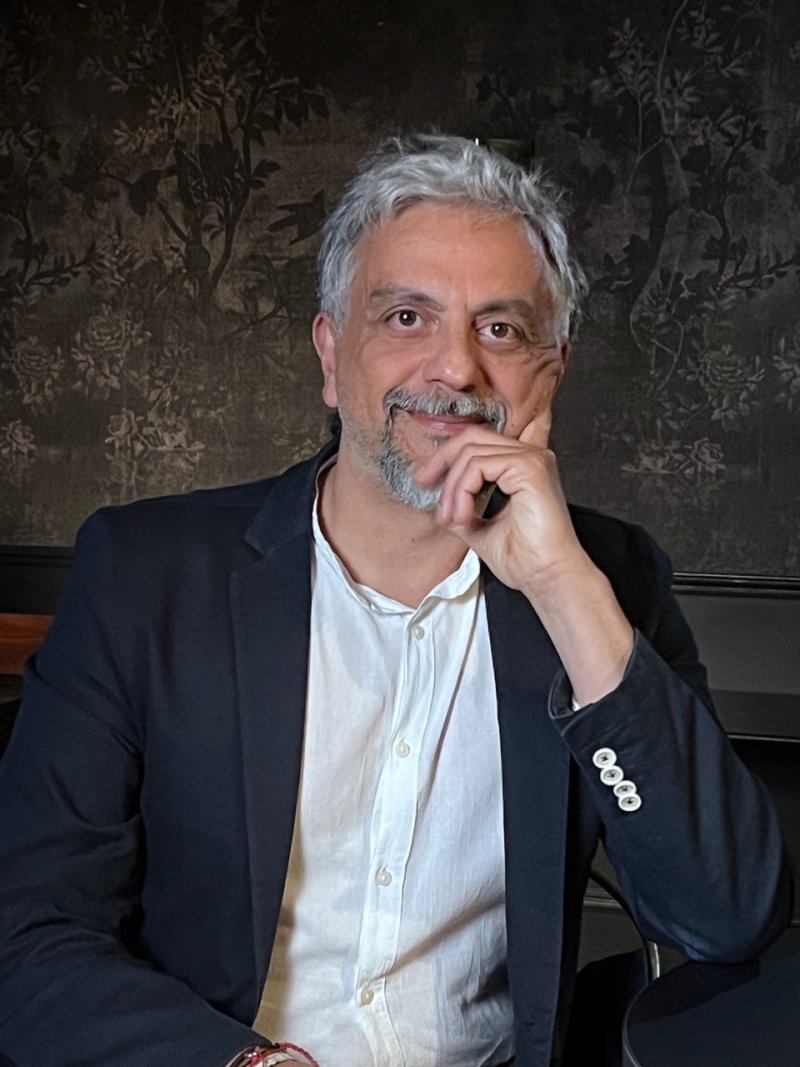
Domenico Otranto
WP Leader
Università degli Studi di Bari Aldo Moro
Domenico Otranto, DVM, PhD, Diplomate EVPC and FRES, is Full Professor of Veterinary Parasitology at the University of Bari, where he served as Director of the Department of Veterinary Medicine from 2015 to 2021. He has carried out teaching and research activities in several countries and is currently Distinguished Visiting Professor at the City University of Hong Kong and Adjunct Professor at Chulalongkorn University in Bangkok. He served as President of the World Association for the Advancement of Veterinary Parasitology from 2019 to 2025 and of the European Veterinary Parasitology College from 2015 to 2018. He has received several prestigious international awards, including the Bayer Research Award, the Peter Nansen Young Scientist Award, and the Benazzi Prize from the Accademia Nazionale dei Lincei. His scientific activity focuses on veterinary parasitology and medical-veterinary entomology, with particular emphasis on arthropod vectors, pathogens transmitted to dogs and cats, and zoonotic diseases. He is the author of more than 850 publications, numerous book chapters, and major international textbooks, including The Veterinary Parasitology (Otranto D Wall R Wiley. 2024; 900p). He is a co-editor and member of the editorial boards of several international scientific journals. Since 2012, he has organized the Parasitology Summer Courses and has served as Chair of the Odile Bain Memorial Prize

Pier Andrea Serra
WP Leader
eINS SCARL
............
Vincenzo Summa
WP Leader
Università degli Studi di Napoli Federico II
.............
Livio Pompianu
WP Co-Leader
Università degli Studi di Cagliari
..............