Cascade Open Call RN4: BEHAVE-MOD
Behaviour and Sentiment Monitoring and Modelling for Outbreak Control
Budget: € 2,518,459
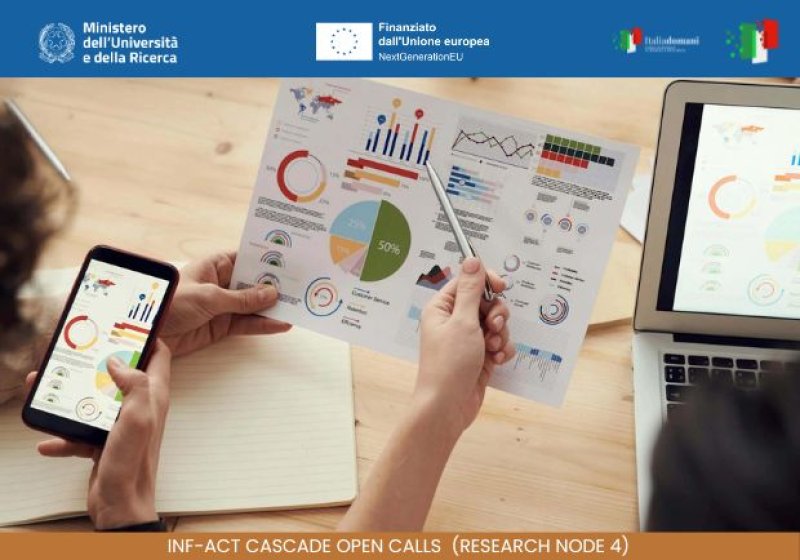
The BEHAVE-MOD project aims to address the crucial need to monitor infectious disease dynamics and understand the impact of individual behaviours on disease transmission. Based on the lessons learned from the COVID-19 pandemic, this project aims to integrate preventive health behaviours into a novel modelling framework that can predict outbreaks and guide public health interventions. Focusing on respiratory and vectorborne infections, the project's objectives include creating an integrated data collection system using traditional surveys, incorporating demographic, social, and psychological determinants. This involves innovative survey design and a participatory surveillance platform. The project aims to monitor health behaviour adoption by integrating unconventional data sources such as social media, internet searches, mobility data, and wearable devices. It also aims to develop mainstream and AI-based predictive models that incorporate behavioural data, evaluate the impact of public health measures, and generate disease forecasts. The project also aims to disentangle spontaneous and induced human behaviours, establish pandemic preparedness principles, and incorporate machine learning techniques. By combining survey, digital epidemiology, and modeling results, the project aims to gain insights into people's behaviours during epidemics. The ultimate goal is to provide evidence-based guidelines for policymakers by offering real-time data on attitudes and behaviours, improving predictive modelling, and providing insights for informed decision-making and intervention strategies in public health. Aligned with INF-ACT, BEHAVE-MOD enhances public health surveillance by integrating behavioural data, which improves epidemiological modeling, boosts accuracy, predictability, and informs timely interventions. This cross-disciplinary approach merges advanced analytical techniques from data science to psychology, fostering collaboration and knowledge exchange
Institutions involved




News and events